
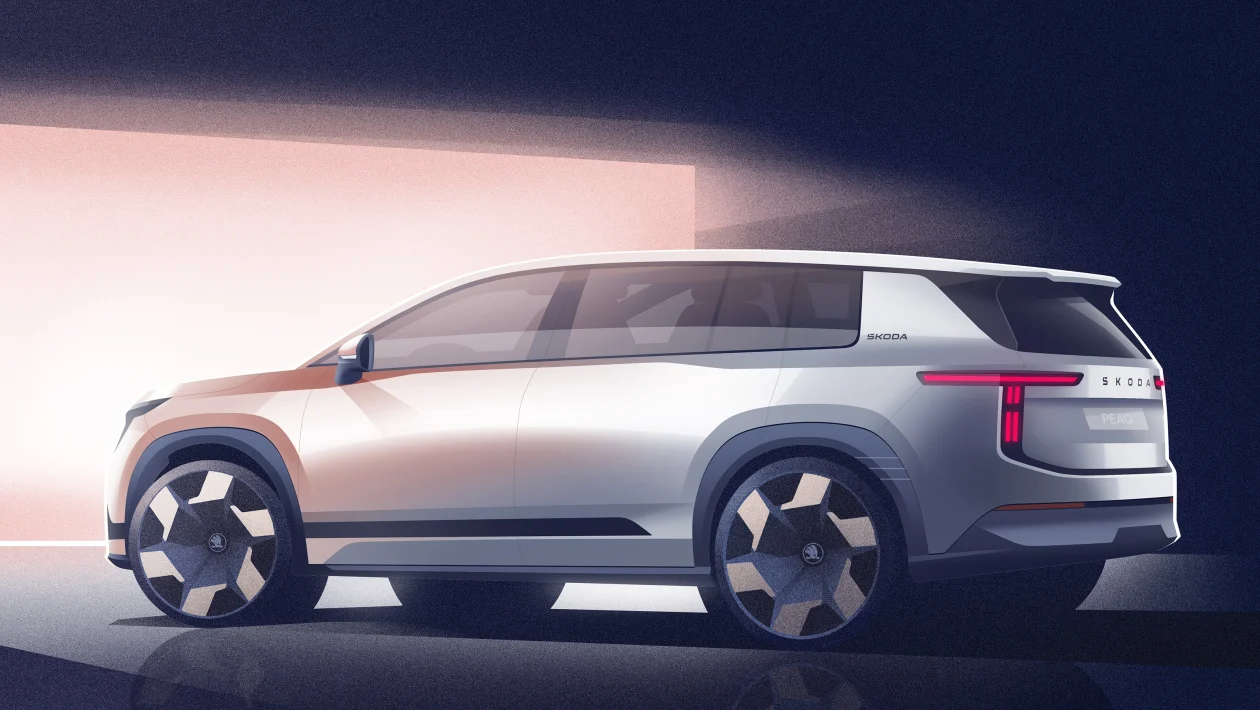
Škoda is preparing its biggest electric vehicle yet, a seven-seat SUV that aims to combine futuristic styling, family practicality and strong value for money.
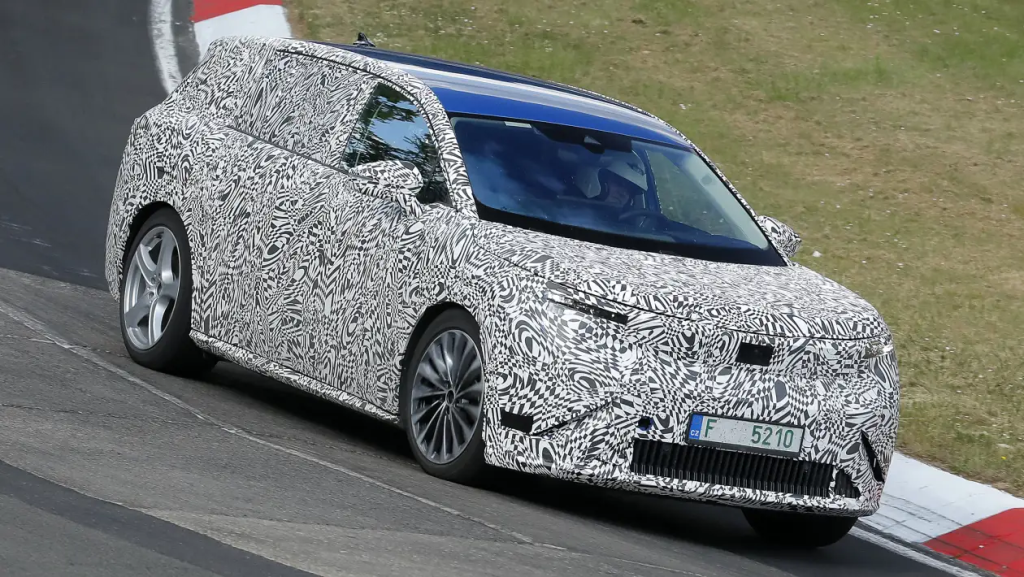
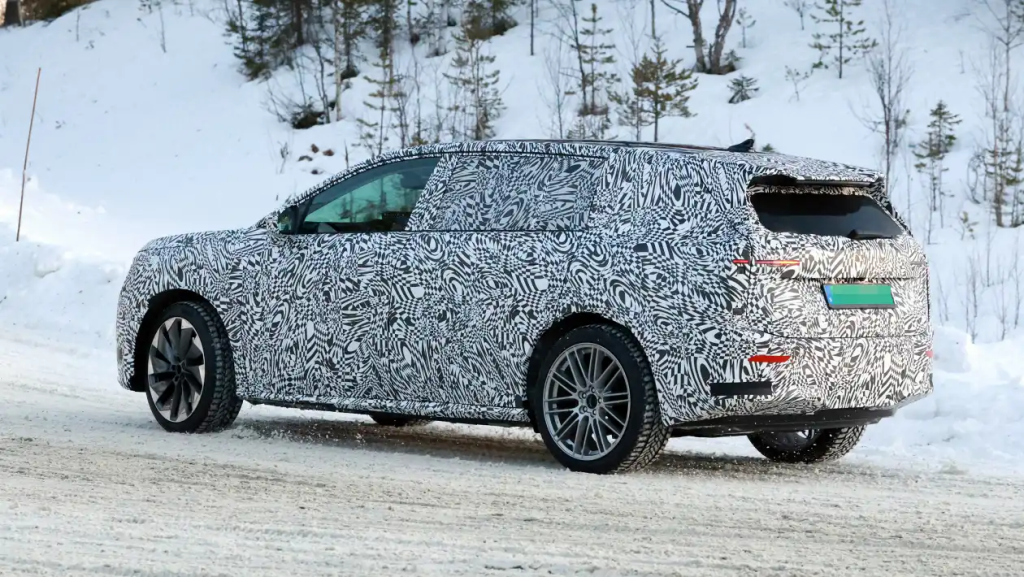
The upcoming Škoda Peaq has already been spotted testing on public roads, and after earlier exterior previews and prototype drives, Škoda has now revealed the first details about the interior of its new flagship EV.
The company has confirmed that the Peaq will make its official debut on 23 June at a world premiere event in France. Ahead of the unveiling, Škoda has released interior sketches showing a cabin inspired by its “Lodge” design philosophy, a theme that has appeared across many recent models.
Compared with the smaller Škoda Enyaq, the Peaq’s cabin takes a more horizontal approach, creating a wider and more spacious feeling. The dashboard features a large central touchscreen mounted vertically rather than the landscape-style display used in the Enyaq.
The interior combines familiar Škoda design elements with new details. A two-spoke steering wheel, floating centre console and minimalist dashboard layout remain, while the company has also brought back physical controls for important functions such as climate adjustment and volume control — something many manufacturers have abandoned in favour of touchscreen-only systems.
A new benchmark for Škoda interior space
Škoda says the Peaq will establish a new standard for the brand when it comes to passenger space, usability and materials. The goal is not to create an ultra-luxury cabin filled with expensive materials, but rather a practical and premium-feeling environment using sustainable and affordable solutions.
Škoda’s sales and marketing director Martin Jahn explained that future interiors will focus on creating a premium impression through smart design rather than costly materials.
The Peaq will become Škoda’s largest vehicle, measuring approximately 4.9 metres in length. This places it above the popular Škoda Kodiaq and makes it larger than models such as the Peugeot E-5008, although it will remain slightly smaller than huge electric SUVs like the Hyundai Ioniq 9 and Kia EV9.
The interior images suggest the second-row seats will fold and slide, allowing easier access to the third row — similar to the arrangement already used in the Kodiaq seven-seater.
For families, this could become one of the Peaq’s strongest selling points. Škoda has built its reputation around practicality, and the Peaq appears designed to continue that tradition in the electric era.
Electric range and platform technology
The Peaq will use an updated version of the Volkswagen Group’s MEB electric platform, the same architecture that underpins models such as the Enyaq and Škoda Elroq.
According to Škoda’s technical development department, this improved version of the platform has previously been used mainly in China and will now be introduced to European customers with the Peaq.
The SUV is expected to launch with two powertrain options:
- Peaq 60: around 201 hp, a 63 kWh battery and an estimated range of approximately 430 km.
- Peaq 90: available with rear-wheel drive or all-wheel drive, around 295 hp and a 91 kWh battery offering roughly 610 km of range.
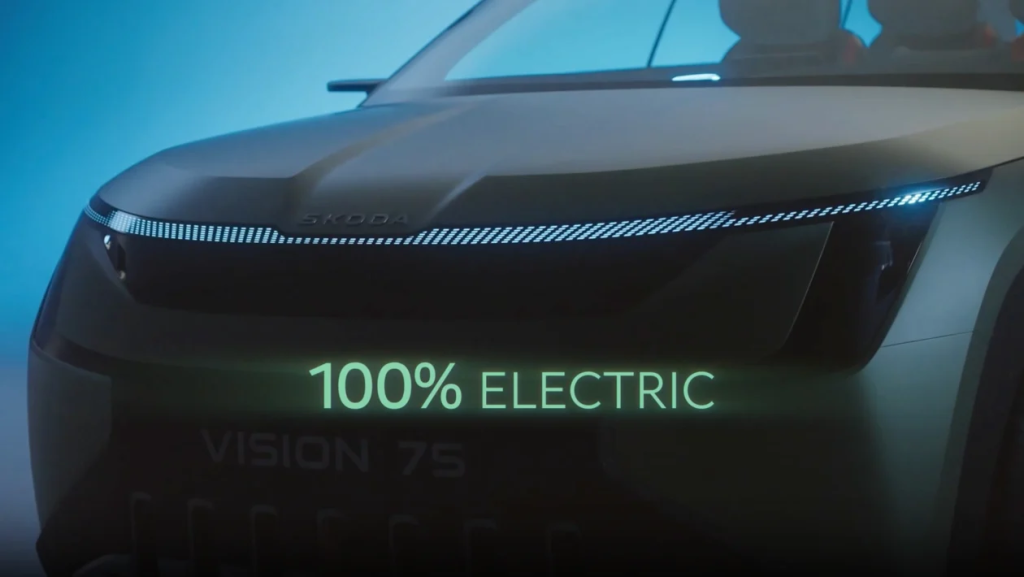
Charging performance will also differ between versions. The larger battery should support charging speeds of around 195 kW, while the smaller battery will reach approximately 160 kW. Despite the difference in charging speed, both versions should be able to recharge from 10 to 80 percent in around half an hour.
Bold new design for Škoda’s flagship SUV
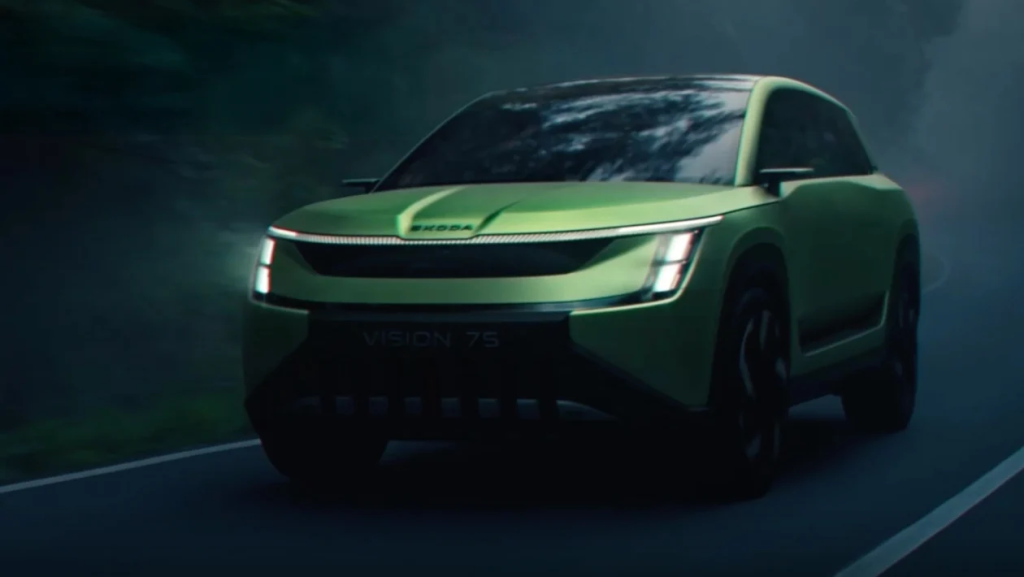
The Peaq is heavily influenced by the Škoda Vision 7S Concept first shown in 2022.
Škoda’s exterior design team says the production model will feature clean surfaces, structured details and a modern interpretation of the company’s electric design language.
Compared with the Enyaq and Elroq, the Peaq pushes the brand’s “Modern Solid” design philosophy further. The SUV features a more minimalist front end, a clamshell bonnet design and slim LED lighting integrated into Škoda’s “Tech Deck Face” grille concept.
Many elements from the Vision 7S concept appear to have survived into production, including:
- slim rear lights extending into the tailgate
- a distinctive roof spoiler
- a boxy, upright silhouette
- short front and rear overhangs designed to maximise cabin space
The concept’s unusual coach doors and unconventional seating arrangement have not made it into production. Instead, the Peaq will follow a more traditional seven-seat SUV layout.
Pricing and competition
Škoda has positioned the Peaq as a value-focused alternative in the electric seven-seat SUV market.
The company has suggested it will offer strong value compared with premium competitors, meaning it could undercut models such as the Kia EV9 and Hyundai Ioniq 9, which sit in the higher price ranges of the segment.
A likely rival will also be the Peugeot E-5008, which targets families looking for a practical electric SUV without premium pricing.
Commentary
This is a very interesting move from Škoda. The brand already has the Kodiaq, a slightly smaller family SUV that has become extremely popular and sells strongly across Europe. However, the Škoda range has been missing a larger flagship model capable of challenging more expensive German SUVs.
The Peaq could fill that gap. It gives Škoda a vehicle that can compete against much more expensive offerings from brands like BMW, Mercedes-Benz and Audi, while also providing a serious alternative to the rapidly growing number of Chinese electric SUVs entering Europe.
The biggest advantage Škoda has is practicality. Many buyers do not necessarily want a luxury badge — they want space, reliability, technology and value. A large electric SUV with seven seats, long range and Škoda’s reputation for smart solutions could appeal strongly to families.
The question will be whether buyers looking at premium SUVs are willing to consider a Škoda instead. The brand has already moved far beyond its budget image, and the Peaq could become the model that proves Škoda can compete well above its traditional market position.
At the same time, it could put serious pressure on Chinese manufacturers that have been targeting European families with affordable, feature-rich electric SUVs. A well-priced Škoda with Volkswagen Group engineering behind it could be a very difficult competitor to beat.

Leave a Reply